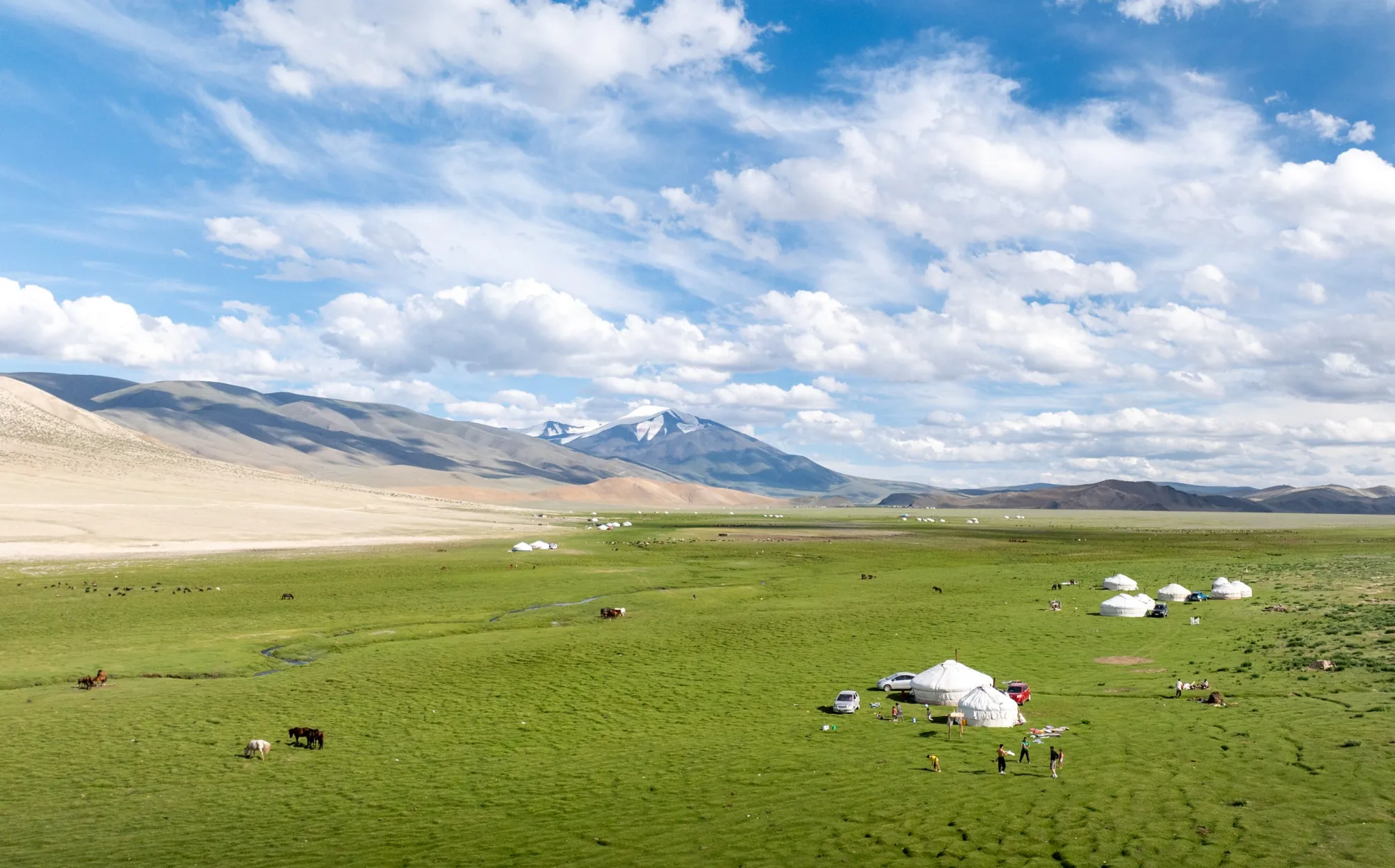
In the far west of Mongolia, many Kazakh families still live by their herds, moving with their animals between seasonal pastures as the grass and the weather change. Staying with one of these families is not a performance put on for visitors. You are a guest in a working household, and your days follow the animals, the weather and the family’s own routine.
Nomadic family life in Western Mongolia
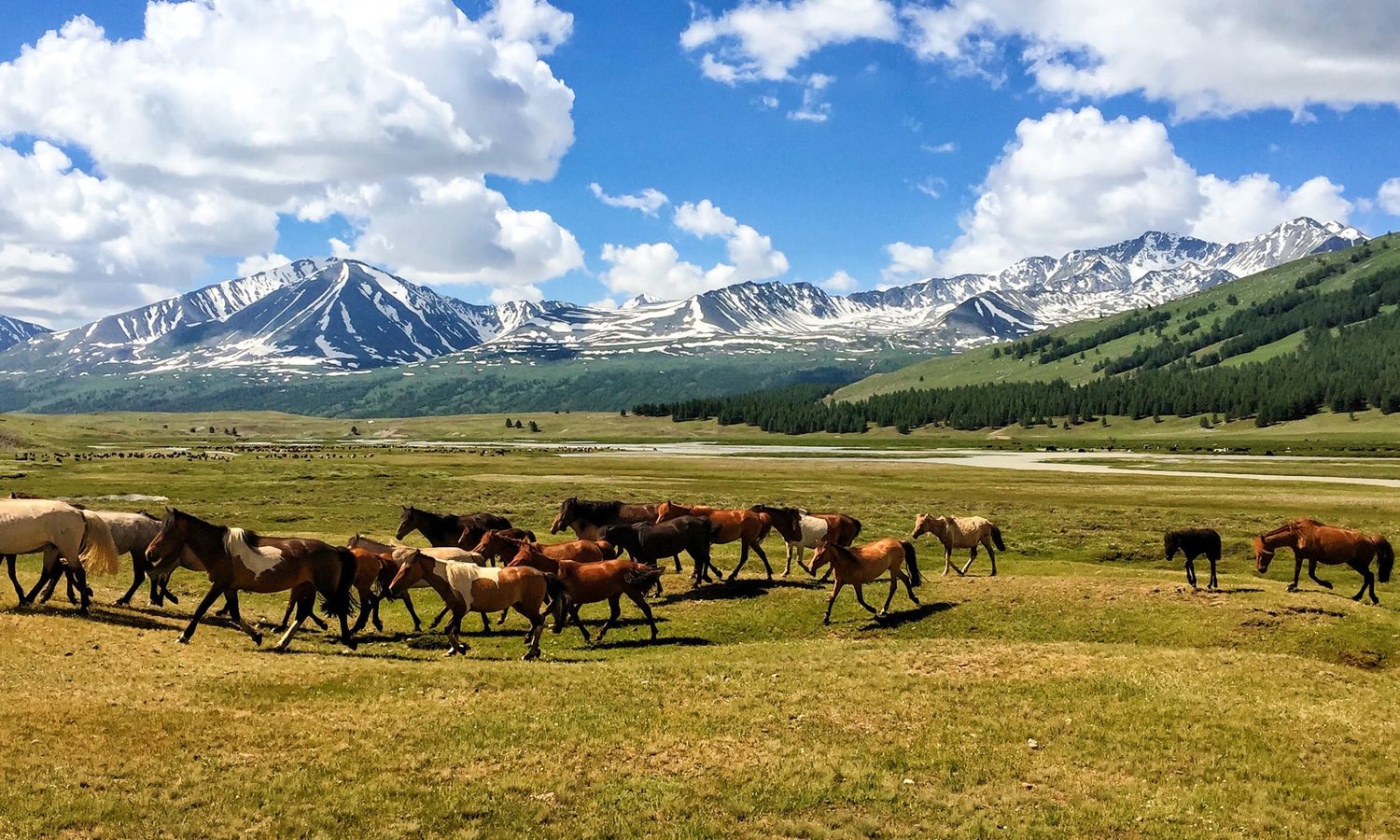
Bayan-Ölgii, Mongolia’s westernmost province, is the only one where most people are Kazakh, and Kazakh is the everyday language in most homes. Herding families here keep sheep, goats, horses, cattle, yaks and camels, and their year is shaped by the needs of the animals.
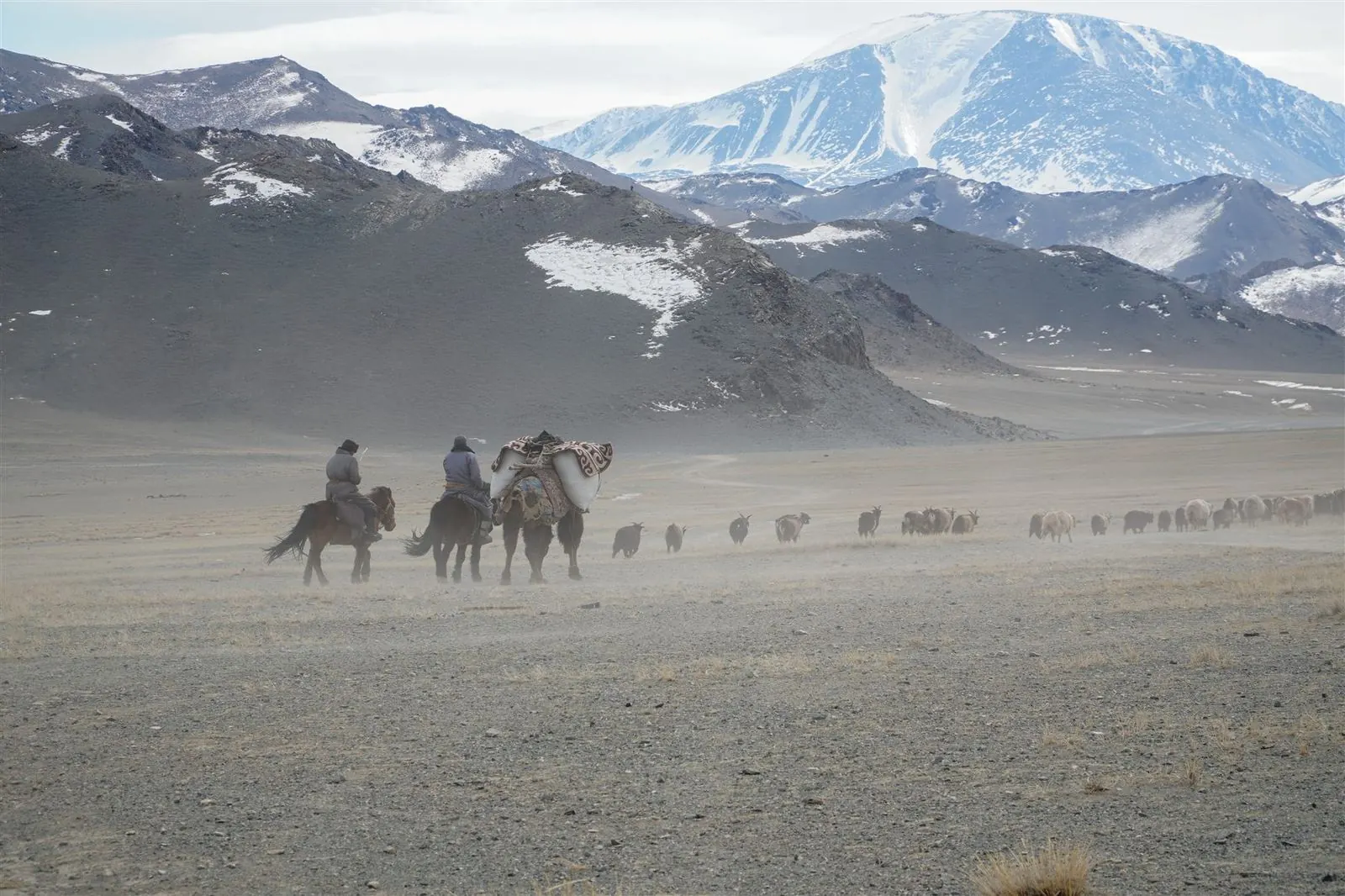
Many families move between seasonal pastures. In summer they live on open grazing land where the grass is good. In the colder months they shelter in protected camps, often with a fixed house, and when the grass runs low they move the whole household and herd to new pasture.
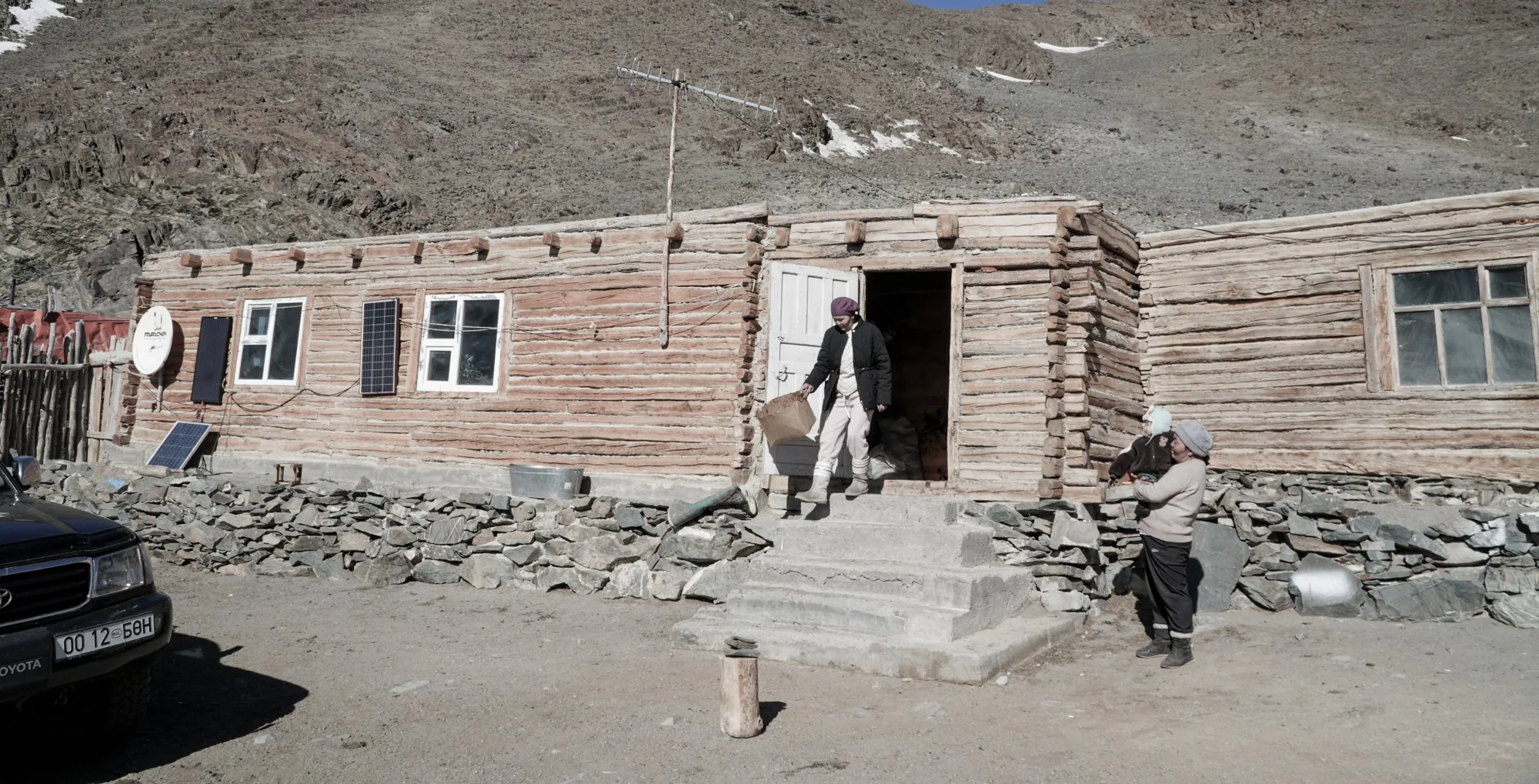
The families you stay with are Kazakh herders, and some are eagle-hunting families. What you see and take part in depends on the family, the season, the weather and the itinerary.
Summer: your own guest ger on the pasture
In summer you stay in a private guest ger, a traditional round felt tent, separate from the family’s own living space. You can take part in the family’s day and still have a quiet place of your own to rest.
Our team provides toilet and shower tents, so you have private facilities even on a remote pasture.
Milking, cheese and traditional food
Summer is the main season for milking and dairy-making. You can learn how the family milks its animals and turns the milk into traditional dairy products, including cheese, and you are welcome to help with the milking yourself.
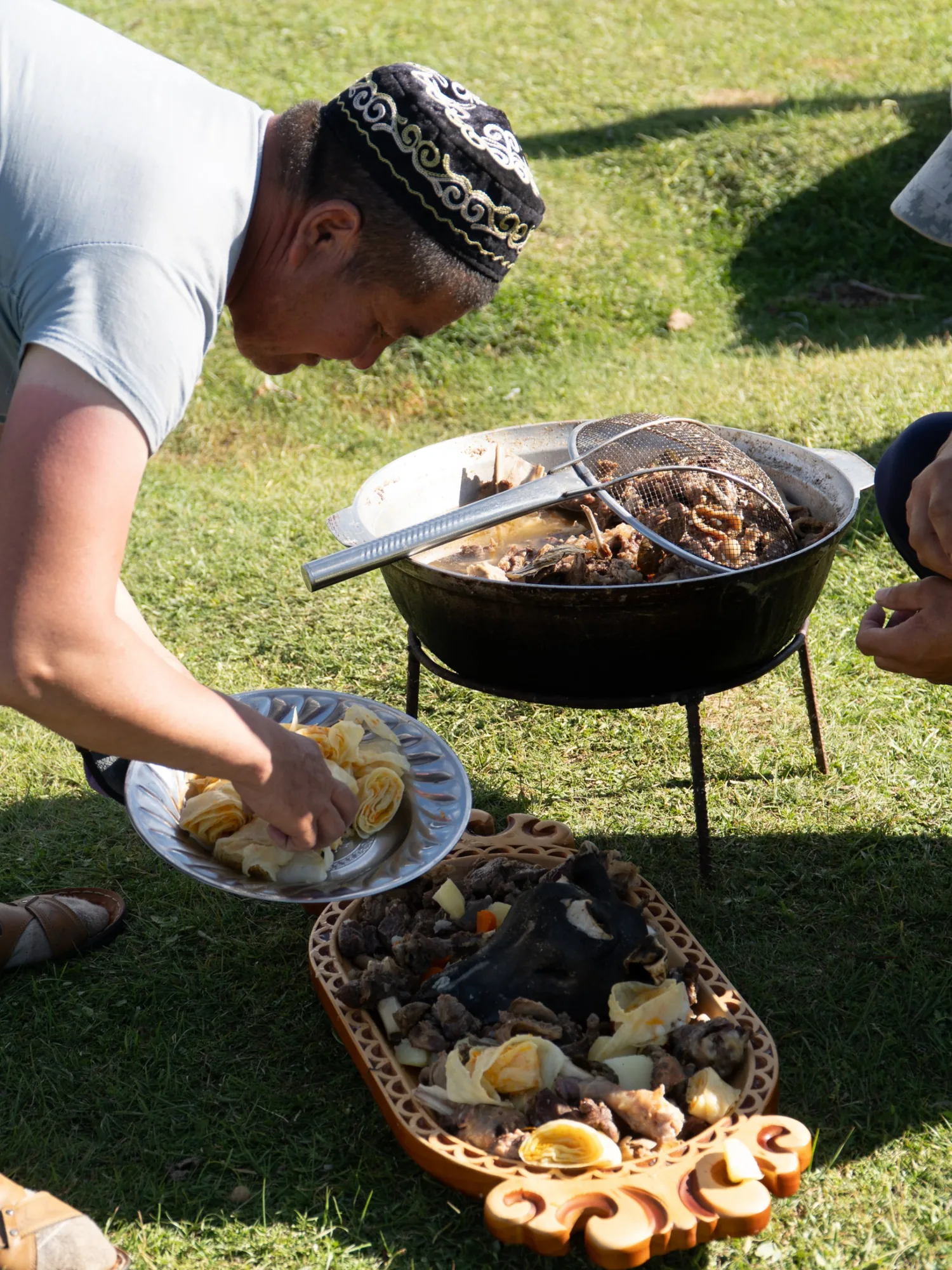
You can also join in preparing food and learn how the family cooks traditional nomadic-style meals. Where arrangements allow, you can accompany the tour chef to see how meals are prepared, and you can try local food with the family.
Riding with a hunter and meeting his golden eagle
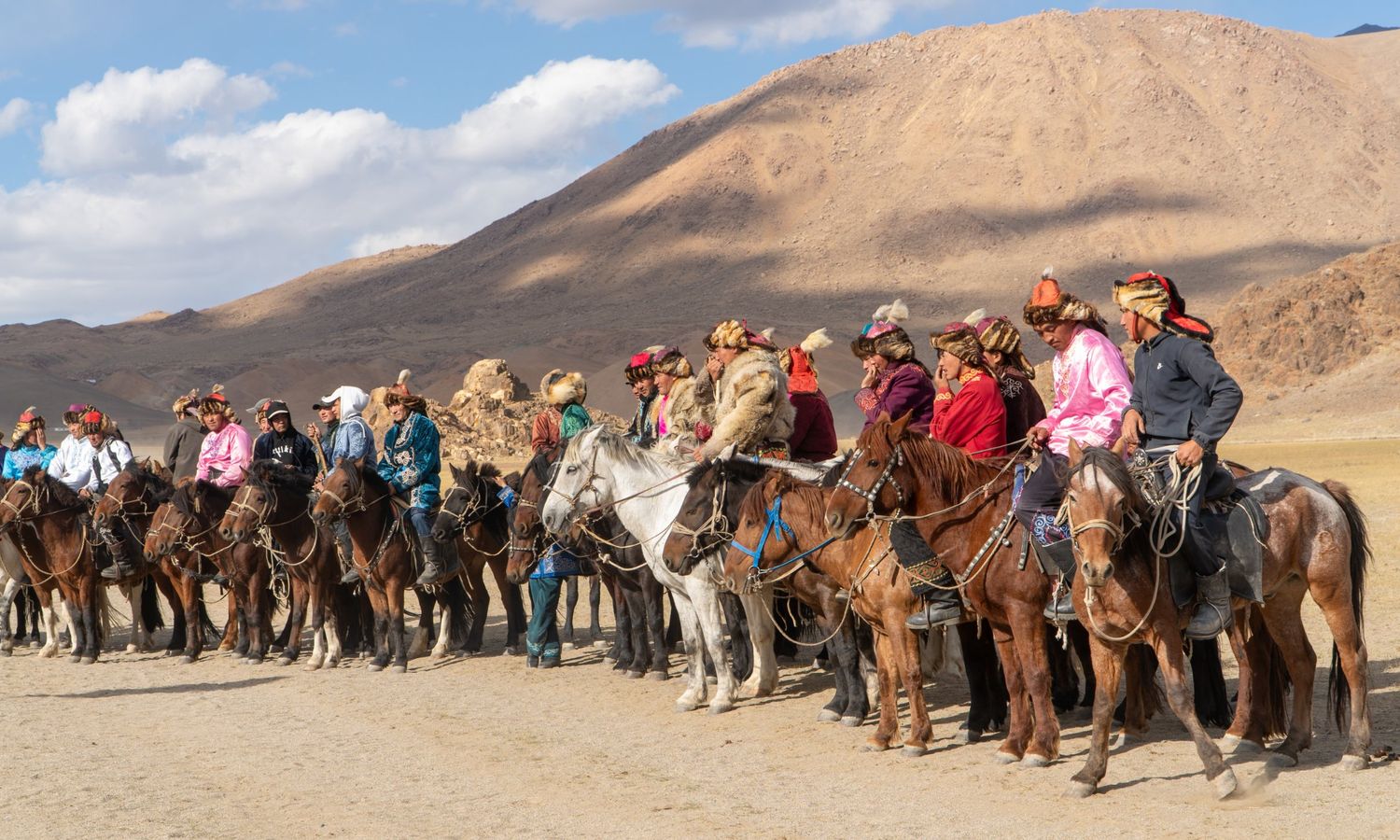
Some of the families we visit are Kazakh eagle hunters. In summer you can meet a hunter, see his golden eagle and learn how the bird and its handler work together. Depending on the arrangements, you may be able to hold the eagle while on horseback and take photographs.
On one day you can go horseback riding with a hunter. Depending on the family and the circumstances, you may also see informal horseback games or a small horseback contest. Treat these as a possibility rather than a fixed part of the programme.
The high pastures near Tsambagarav Mountain
One day is spent visiting the high summer pastures near Tsambagarav Mountain, close to its glacier, where families graze their animals during the warmest months.
What to expect in practice
- Your own space: a private guest ger, separate from the family’s home.
- Toilet and shower: tents provided by our team.
- Flexibility: activities depend on the family, the season, the weather and the itinerary. A day may change because the animals need attention or the weather turns.
- Connection: deep in the mountains there is often no phone signal, so bring a power bank.
Winter: animal care, cold and eagle hunting
Winter is a different experience, not simply a summer stay in colder weather. There is much less dairy production. Daily life centres on caring for the animals, working in the cold and keeping the household running.
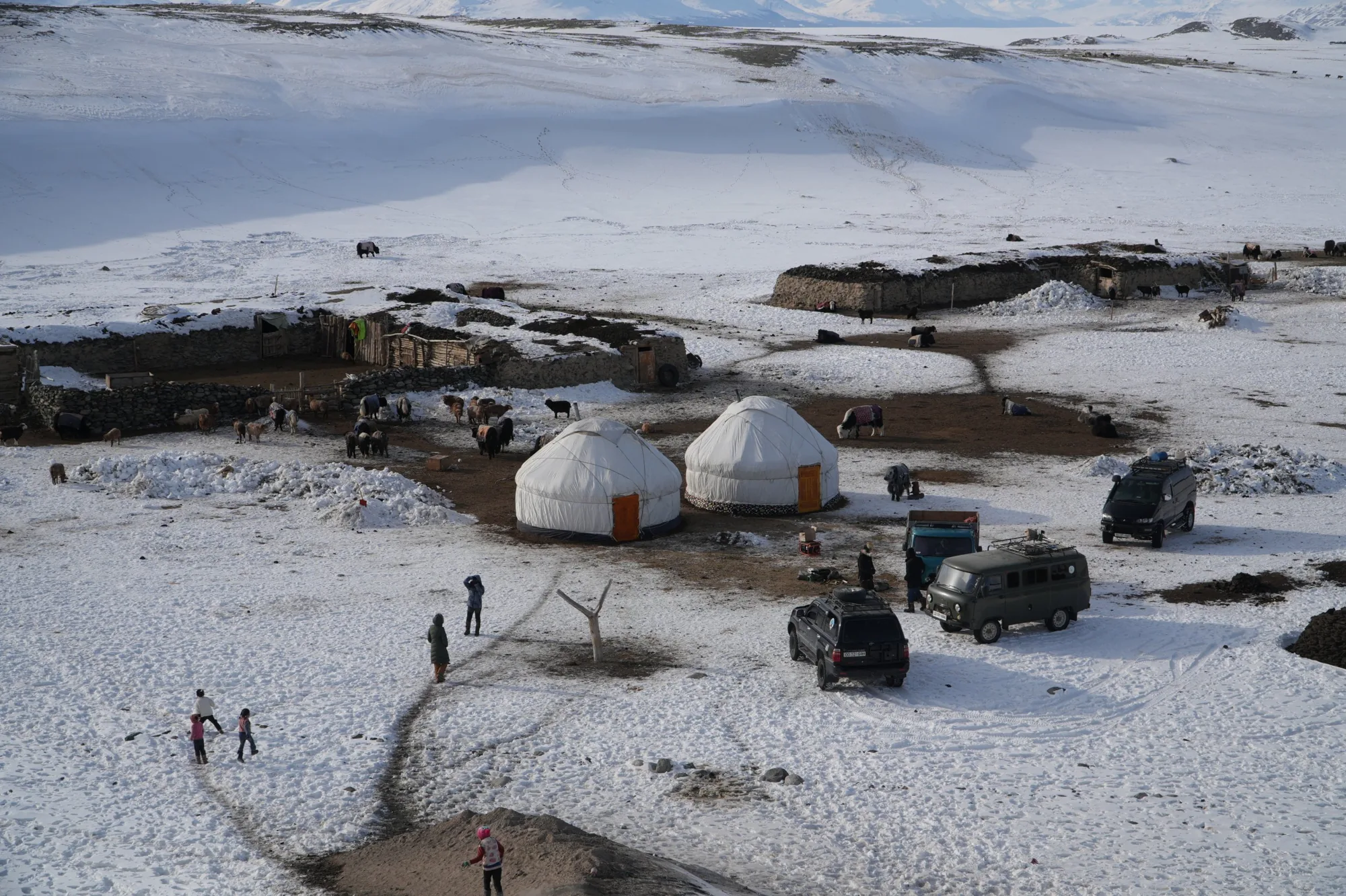
Even water takes work in winter. Some families collect ice from frozen rivers, or use snow, as their water source.
Winter is also a time to learn about traditional golden eagle hunting and the relationship between a hunter and his bird. Depending on conditions and arrangements, you can ride with an eagle hunter and photograph hunters, horses and nomadic life against the snow-covered Altai Mountains.
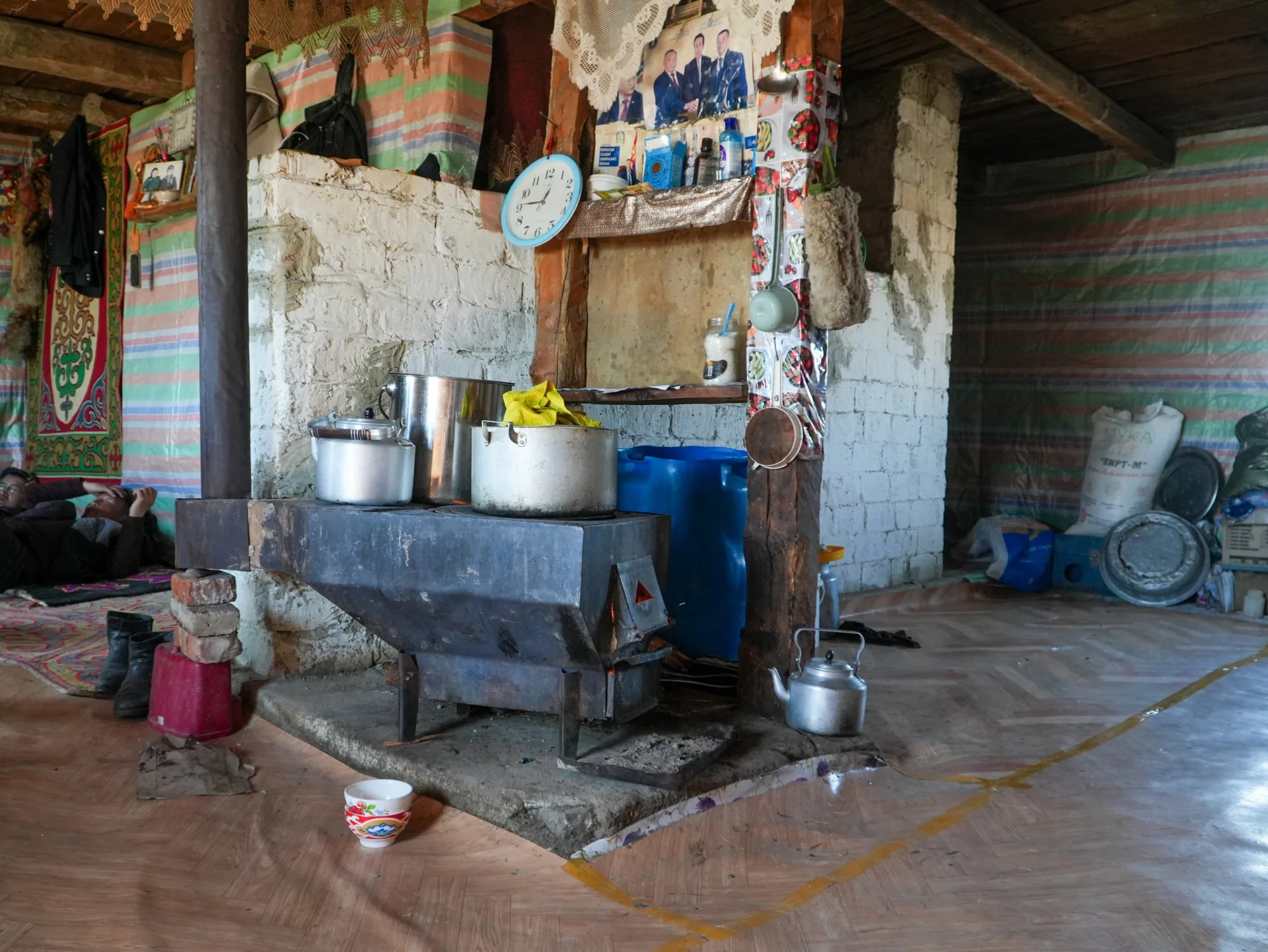
When to go: choosing your season
Each experience has its own general season. These are typical windows, not fixed dates. What is possible depends on the family, the weather, their movements and the arrangements for your trip.
- Summer stays with nomadic families: summer is a good time to experience milking, dairy-making, traditional food preparation, horseback riding and life on the summer pastures.
- Joining a family’s seasonal migration: generally June to October, depending on the family’s movements and the itinerary.
- Staying with an eagle-hunting family and hunting with a golden eagle: generally from mid-September through April or May.
- Winter migration stays and photography: best from February to mid-March.
Experiencing nomadic life respectfully
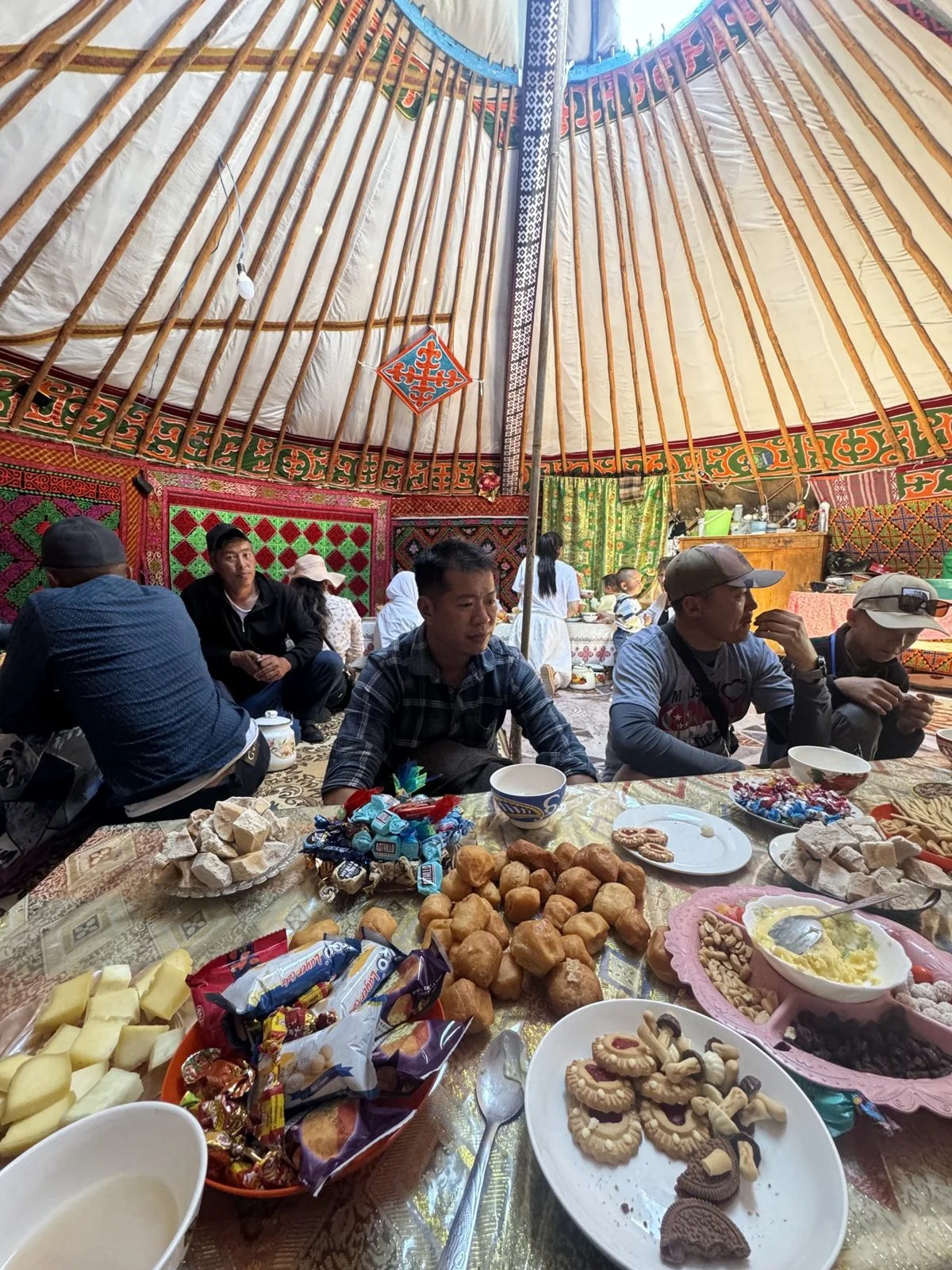
The best stays come from remembering that you are a guest in someone’s home and workplace. Follow your hosts’ lead, ask before photographing people, and be ready for plans to change when the animals or the weather need attention.
Joining in, even clumsily, with the milking or the cooking is often the quickest way to feel part of the day. Whether you come for the long summer days on the pasture or the hard beauty of winter, time with a nomadic family offers a close, unhurried look at a way of life that still follows the seasons.